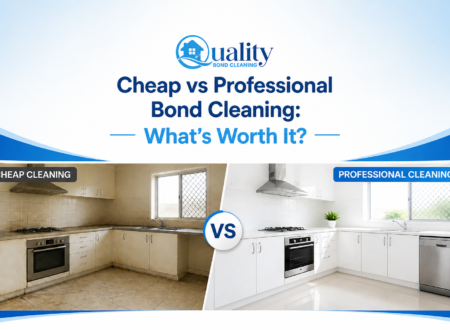


What Property Managers Check During Final Inspection – Moving out of a rental property can be a real hassle, especially if your bond refund is tied to passing that final inspection. What Property Managers Check During Final Inspection is a topic that reflects a common concern among tenants because even small mistakes can lead to deductions. Property managers stick to a detailed list of checks to make sure the property is left in the same state as when you moved in, allowing only reasonable wear and tear. They thoroughly check everything, from cleanliness and maintenance to safety and functionality.
With this knowledge, tenants can get ready properly and steer clear of unexpected issues at the last moment.
Why Final Inspections Are Really Important
Final inspections have a huge impact as they determine whether tenants receive their full security deposit. Property managers look at the current state of the property and compare it with the initial entry report to spot any differences.
Industry statistics reveal that most problems during inspections stem from neglected cleaning and minor maintenance issues that could easily be fixed before the inspection.
“The goal is to have the property returned clean, maintained, and without any damage.”
Main Things Property Managers Look At
1. General Cleanliness
Property managers consider cleanliness as the most important factor, and it is the first one they check.
- Dust-free surfaces, skirting boards, and corners
- No cobwebs or other stains
- Light fixtures and fans should be cleaned thoroughly
Even a small spot of dirt or grease can lead to deductions.
2. Kitchen and Appliances
Kitchens are inspected thoroughly because they are where grease and grime can get built up very easily.
- Oven, stovetop, and rangehood must be thoroughly cleaned
- Cupboards cleaned inside and outside
- Sinks and taps should be free of stains
Not cleaning kitchen appliances thoroughly is the most frequent reason for bond deductions.
3. Bathroom Hygiene
Besides being clean, bathrooms are also assessed for their condition and maintenance.
- No soap scum, mold, or limescale
- Clean mirrors, tiles, and grout
- Fully functioning taps and fixtures
Most of the time, property managers closely inspect the hygiene standards of the bathrooms.
4. Floors, Walls, and Surfaces
The managers look at all surfaces to find out whether they have been damaged or have been neglected.
- Carpet stains or dirt
- Wall marks, holes, or chipped paint
- Scratches on the flooring
They differentiate between fair wear and tear and actual damage.
5. Windows, Doors, and Fixtures
Windows and fittings are very important factors in the final inspection results.
- Clean, streak-free glass
- Dust-free window tracks
- Functional locks and handles
Also, curtains and blinds should be clean and in good condition.
6. Maintenance and Repairs
Property managers check whether tenants have fixed minor issues.
- Leaking taps
- Broken handles or locks
- Faulty appliances
Generally, unresolved maintenance issues are a common reason behind the repair charges being deducted from the bond.
7. Safety and Security Checks
Safety remains the highest priority for inspection.
- Smoke alarms working
- Electrical fittings functional
- No hazards or risks
Managers ensure the property complies with safety standards.
8. Odour and Air Quality
Unpleasant smells can negatively affect the inspection outcome.
- Pet or smoke odors
- Damp or musty smells
Ensuring proper ventilation and cleanliness throughout the property will help improve the overall presentation.
9. Outdoor Areas
Outdoor spaces, if present, are also inspected.
- Clean garden or lawn
- No rubbish or debris
- Maintained pathways and balconies
Trends in Final Inspections
Some more recent trends show that property managers are becoming more detail-oriented and increasingly use extensive checklists.
- Today, 80% of property managers use digital inspection tools for documentation purposes.
- There is more focus than ever on hygiene and sanitization post-pandemic.
- Another trend is the rise in professional cleaning standards.
Furthermore, tenants are going to great lengths by hiring professional end of lease cleaners in order to adhere to stringent inspection criteria.
Common Mistakes Tenants Make
- Ignoring hidden areas such as window tracks and vents
- Leaving appliances only partially cleaned
- Not fixing even minor damages
- Overlooking odors
In fact, these seemingly minor mistakes can lead to significant deductions.
Tips To Pass the Final Inspection
- Follow a room-to-room cleaning checklist
- Cross-check with the entry condition report
- Repair small defects beforehand
- Consider hiring a professional cleaning company
Starting early can help make the inspection a lot easier.
Conclusion
Through the understanding of what property managers look for in their final inspection, tenants can prepare their homes effectively and avoid unnecessary deductions. Regularly cleaning, fixing, and attending to details will go far in making sure you get your entire bond refund.
If you want to avoid all the hassle, professional services such as Quality Bond Cleaning will make sure your property is up to standard at inspection time. With their expertise, they help tenants leave homes immaculate and ready for inspection.
FAQs
What is the main focus of a final inspection?
The main focus is to make sure the property is clean, well-maintained, and has no damage beyond normal wear and tear.
Can I fail a final inspection?
There is no ‘fail,’ but if there are issues detected, your bond may be deducted or be asked for re-cleaning.
Do property managers check appliances?
Yes, property managers check appliances, and all appliances must be clean and fully functional.
How clean should the property be?
It should be in the same or better condition as it was when you moved in.
Are minor damages acceptable?
Only normal wear and tear is allowed; any major damage should be fixed.