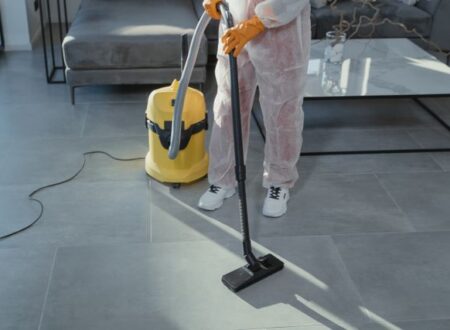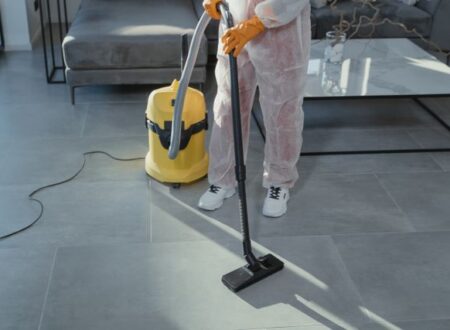



Bond Cleaning vs Regular Cleaning: What Landlords Really Expect – When tenants prepare to leave a rental property, they must understand the differences between Bond Cleaning and Regular Cleaning: What Landlords Really Expect. Many renters believe that regular house cleaning is enough to pass the final inspection, but landlords and property managers usually expect a much higher standard. Bond cleaning, also called end-of-lease cleaning, refers to a thorough deep cleaning process that is aimed at returning the property to the condition it was in when the tenants first moved in. This difference can be the deciding factor in whether tenants receive their full security deposit or have some amount deducted from it.
What Is Regular Cleaning?
Regular cleaning refers to daily or weekly cleaning tasks in order to keep the house in a neat and hygienic condition. These tasks are usually quick and focus mainly on visible dirt and frequently used areas that are most often used. Typical regular cleaning tasks include:
- Dusting furniture and shelves
- Vacuuming carpets and rugs
- Sweeping and mopping floors
- Wiping kitchen countertops
- Cleaning sinks and bathroom surfaces
- Taking out the trash
The main purpose of regular cleaning is to provide a pleasant and livable environment. Although it ensures that all surfaces remain in a clean state, it usually does not involve deep cleaning of those areas that are hidden or have been neglected for some time.
What is Bond Cleaning?
Bond cleaning, also known as end of lease cleaning or vacate cleaning, is a one-time deep cleaning performed when tenants move out of a rental property. The goal is to make the property look as if no one has lived there since the tenant moved in. Typically, this includes:
- Deep cleaning kitchens and bathrooms
- Cleaning the oven and range hood
- Steam cleaning carpets
- Washing windows and tracks
- Removing wall marks and stains
- Cleaning skirting boards, vents, and light fixtures, etc.
In contrast to normal cleaning, bond cleaning sticks to a strict checklist that is based on the property inspection report, making sure every corner of the house is thoroughly clean.
“Bond cleaning is a complete deep clean of the property from top to bottom that makes sure the property passes the inspection standards set by landlords and property managers.”
Differences Between Bond Cleaning and Regular Cleaning
The key differences are explained below to help tenants avoid misunderstandings or disputes with landlords.
1. Purpose
Regular cleaning: It is done to keep the house clean and comfortable on a day-to-day basis.
Bond cleaning: It ensures the property meets the final inspection standards.
2. Depth of Cleaning
When it comes to cleaning, regular cleaning usually focuses mainly on surface cleaning, while bond cleaning is much more thorough and covers deep areas such as inside appliances, behind furniture, and other hard-to-reach areas.
3. Timing
Regular cleaning: Usually performed daily or weekly.
Bond cleaning: Usually performed only once at the time of moving out.
4. Inspection Requirements
Regular cleaning is not done following any formal checklist. On the other hand, bond cleaning must follow the property manager’s inspection checklist in order to ensure the property is in accordance with the rental agreement conditions.
5. Impact on Security Deposit
Should a tenant fail to conduct the bond cleaning properly, this can lead to landlords withholding part or all of the tenant’s security deposit.
What Landlords Actually Expect
For landlords, the goal is to have the property ready for the next tenant without the need for extra cleaning or repair work. That means they are looking for more than just a quick tidy-up. Landlords generally check whether:
- Spotless kitchens and appliances
- Clean and stain-free carpets
- Dust-free corners and skirting boards
- Clean windows and blinds
- Sanitized bathrooms
- No grease, mould, or residue
Typically, property managers will do a final comparison of the property’s final condition with the original condition report that was made at the time the tenant moved in. The landlord can deduct the cleaning fee from the tenant’s bond if the property does not meet the required standard.
Reasons Why Professional Bond Cleaning Services Are Preferred
One of the biggest reasons tenants decide to hire a professional bond cleaning company is that these cleaners are familiar with the inspection standards that real estate agents use. They always have a very thorough checklist and have specialized equipment to clean the areas that get overlooked during the normal cleaning. Some of the benefits of hiring professionals for the job are:
- Minimize the chances of bond disputes
- Save time during the stressful moving process
- Comply with inspection requirements completely
- Get a full bond refund more often
This is the main reason why professional end of lease cleaning is now the norm in many rental markets.
Conclusion
Understanding Bond Cleaning vs Regular Cleaning: What Landlords Really Expect could be quite helpful for tenants, helping them to avoid some of the common moving-out issues in terms of time, stress, and money. While regular cleaning helps maintain a clean home during the period of the lease, bond cleaning is geared towards making the house compliant with very high inspection standards and increases the chances of receiving the full bond refund.
If you want to get good results from your end of lease cleaning services, you can trust the experts at Quality Bond Cleaning, who offer professional bond cleaning services aligned with landlord and real estate inspection standards. By being highly skilled and well-versed in this type of work, their team members are capable of cleaning even the hardest-to-reach areas of a property so that you will have no trouble with the move-out.
FAQs
Is regular cleaning enough before moving out?
No, regular cleaning focuses mainly on surface-level cleaning tasks. However, landlords normally insist on a thorough bond clean in order to do the final inspection.
What happens if I skip bond cleaning?
The landlord or property manager will likely deduct the cleaning costs from your security deposit.
Do landlords always check every corner?
Indeed, the majority of property managers use extensive inspection checklists covering kitchens, bathrooms, appliances, windows, and hard-to-reach areas.
Can tenants do bond cleaning themselves?
Yes, but it has to meet the same level of professionalism. A lot of tenants decide to hire professionals in order not to make any mistakes.
How long does bond cleaning take?
The answer varies depending on the size of the property. Nevertheless, bond cleaning is a very time-consuming task, and it usually takes several hours or sometimes an entire day.