

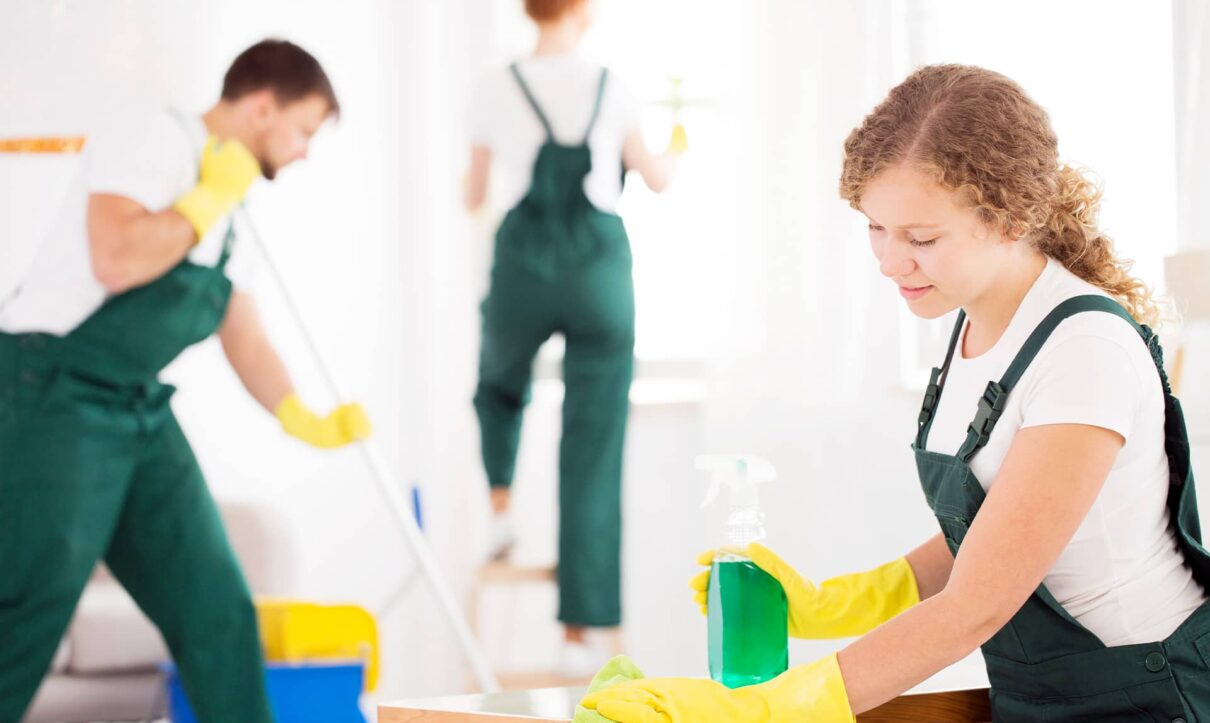
As part of preparing to move out of a rented property, end of lease cleaning is critical. It involves thorough cleaning of your home enough to meet the standard required for rental inspections; it helps to ensure you will receive your entire bond back by ensuring that your home has been cleaned and is in the same condition as at the time of your move-in, less any fair wear and tear.
What Is End of Lease Cleaning?
End of lease cleaning, also referred to as vacate cleaning or bond cleaning, differs from regular cleaning of your home, as it includes a more thorough clean of your home, and the kitchen, bathroom, floors, windows, walls, fixtures and all other areas will need to be cleaned thoroughly to ensure that they are in a ‘rental inspection ready’ condition.
Real estate agents and property owners have strict cleaning checklists that they will use to assess your property for cleanliness on final inspection, and if they deem your property is not ‘reasonably’ clean based on the relevant State rental laws, there may be disputes and deductions from your security bond.
End of Lease Cleaning Preparation Guidelines
1. To Prepare for Your End of Lease Cleaning, Start Early and Make A Plan
You should commence your end of lease cleaning at least several days before your final inspection; breaking your cleaning tasks into rooms and doing the cleaning over the last few days should make cleaning much easier, and thus help alleviate the stress associated with preparing to vacate your home.
2. Remove All Items From the Home
All personal belongings/furniture must be removed from the home as far as possible. Ensuring that the home is empty when cleaning creates better access to areas or places that are difficult to find otherwise (i.e., places where furniture was or just hard to reach, underneath appliances, etc.), which further facilitates a more comprehensive clean.
3. Follow a Checklist for Each Area of the Home
Have one comprehensive checklist to complete that contains an outline of all major areas to clean:
Kitchen
- Clean inside/outside cabinets, doors, and drawers
- Clean & de-grease stovetop, range hood & oven
- Clean sinks & taps (i.e., grease build-up)
- Wipe splash backs & countertop surfaces.
Bathrooms
- Remove Soap Scum/Mould
- Disinfect toilets, showers, tubs, and tiles.
- Clean mirrors, glass, faucets/fixtures.
Bedroom/Living Areas
- Vacuum & mop flooring where applicable.
- Dust Skirting Boards, Lights & Vents.
- Clean Glass Windows & Tracks, Remove all Spider Webs.
Outdoor Areas
- Sweep Decks/Balconies.
- Clean up the garden/pathway if necessary.
- Clean and remove any spider webs/dead materials from the outside area.
4. Take Pictures/Document Everything
Before returning keys, take pictures of each cleaned portion of the home with a timestamp. The photographs will help you in case of future landlord/tenant disputes.
5. Compare the Property To The Original Condition Report
The cleaned home should be in as close a condition as you received it; you can dispute any dust, damage, or marks beyond fair wear and tear by having photographs and other evidence.
6. Communicate With Your Property Manager
When you finish cleaning your rental property, it’s a good idea to inform your landlord or agent and provide them with copies of any relevant documentation (such as receipts). Good communication can help ensure that there is no confusion regarding cleanliness before the final inspection.
Important Facts And Trends
Final Inspections for Rental Properties Are Increasing: More property managers are now looking for high levels of cleanliness (spotless kitchens, spotless bathrooms, and spotless exterior areas) during their final inspections.
Documentation is Key: Many professional cleaning services, as well as many online resources, recommend taking photographs of your cleaned rental property to protect tenants against claims made by property managers regarding the cleanliness of the rental property.
A Clean Exterior Is Important: Many property managers inspect exterior areas (patios, gardens, and balconies) during final inspections, and cleaning them is just as important as cleaning the inside of the home.
Deep Cleaning Is More Effective Than Surface Cleaning: Simply tidying up is not usually enough. You will need to perform deep cleaning of the home, especially the kitchen and bathroom areas, in order for the final inspection to be successful.
Understanding Tenant Rights: In many parts of Australia, a tenant is responsible for returning the rental property to the property owner in a reasonably clean condition, allowing for “fair wear and tear.” Many tenancy laws in states such as Victoria and New South Wales support this concept.
What Is NDIS?
The NDIS (National Disability Insurance Scheme) is a large-scale scheme that has been developed by the Australian Government that provide individualized, government-funded supports and services to people living with disabilities who have significant or permanent disabilities, to help them become more independent and to achieve their participation in their local community, and all aspects of an “average” life.
Administered by the National Disability Insurance Agency (NDIA), the National Disability Insurance Scheme (NDIS) provides non-means-based Funding for people with disabilities. This is in contrast to other funding mechanisms, which are often based on income level. Most supporting services offered through the NDIS are based on the individual’s identified need and focus on the “reasonable and necessary” supports outlined in each individualized service plan.
Participants in the NDIS could access a range of support services: assistive technology (e.g., wheelchairs); home modifications, rental assistance (end of lease cleaning, relocation support, etc.); therapies, daily living tasks, and the like.
Conclusion
To effectively prepare for an End of Lease clean, as per the expectations of Property Managers or Real Estate Agents, it is critical to plan and follow a detailed checklist to ensure you meet your expectations for a thorough clean to avoid last-minute stress.
An End of Lease cleaning service is available through Quality Bond Cleaning and provides tenants with a commercial-level quality cleaning service that meets Property Manager inspections, enabling them to vacate the property in great condition.
FAQs
Am I required to carry out an End of Lease clean?
Yes. Providing the property manager with a clean property (in accordance with the move-in report) is generally required for a full bond return.
When should I begin End of Lease cleaning?
It is best to begin cleaning at least a few days in advance of your final inspection in order to allow sufficient time to complete a thorough clean, to perform any necessary repairs, and to provide time for follow-up.
What are the consequences if I forget some areas?
Usually, inspectors adhere to very rigorous checklists. Any areas left uncleaned may mean that the inspectors will ask for re-cleans or that there will be disagreements, which in turn may have an influence on your bond.
Is it possible to do it alone, or should I hire help?
Yes, you can accomplish the task by yourself, following very detailed checklists; however, a professional is always more capable of a complete cleaning and therefore, his/her work is more likely to be accepted by the inspection.
Cleaning and NDIS – are they related?
In case you are an NDIS participant and cleaning is a support under your plan, you may fit in an end of lease cleaning as a household task funded by NDIS wherever it is necessary.